Clearer ownership and decisions
Help leaders make expectations, responsibilities and decision boundaries explicit, so their teams take ownership and decisions move faster.
- Clear expectations
- Defined decision authority
- Stronger team ownership
(01) FOR ORGANISATIONS
A leadership programme for new managers. Group sessions with a cohort, plus 1:1 coaching on their own team, so they delegate, handle difficult conversations and get people to take ownership. Senior leaders stop stepping in.
Run as cohorts of three or more. For first-time managers, ICs about to be promoted, and experienced managers who want to lead better.
Worked with leaders from: AmazonHubSpotUdemyBarclaysPreply
Book a call(02) At a glance
Set expectations, hold standards,
lead a team.
Applied to the real decisions and
conversations they're facing now.
One sponsor, usually their manager, reviews progress with me and the leader against goals set at the start.
Alignment session first. Homework after each module. Six months, or a three-month intensive.
A sponsor is the person backing the leader, usually their manager. Reviews are at 60, 120 and 180 days (30, 60 and 90 in the intensive).
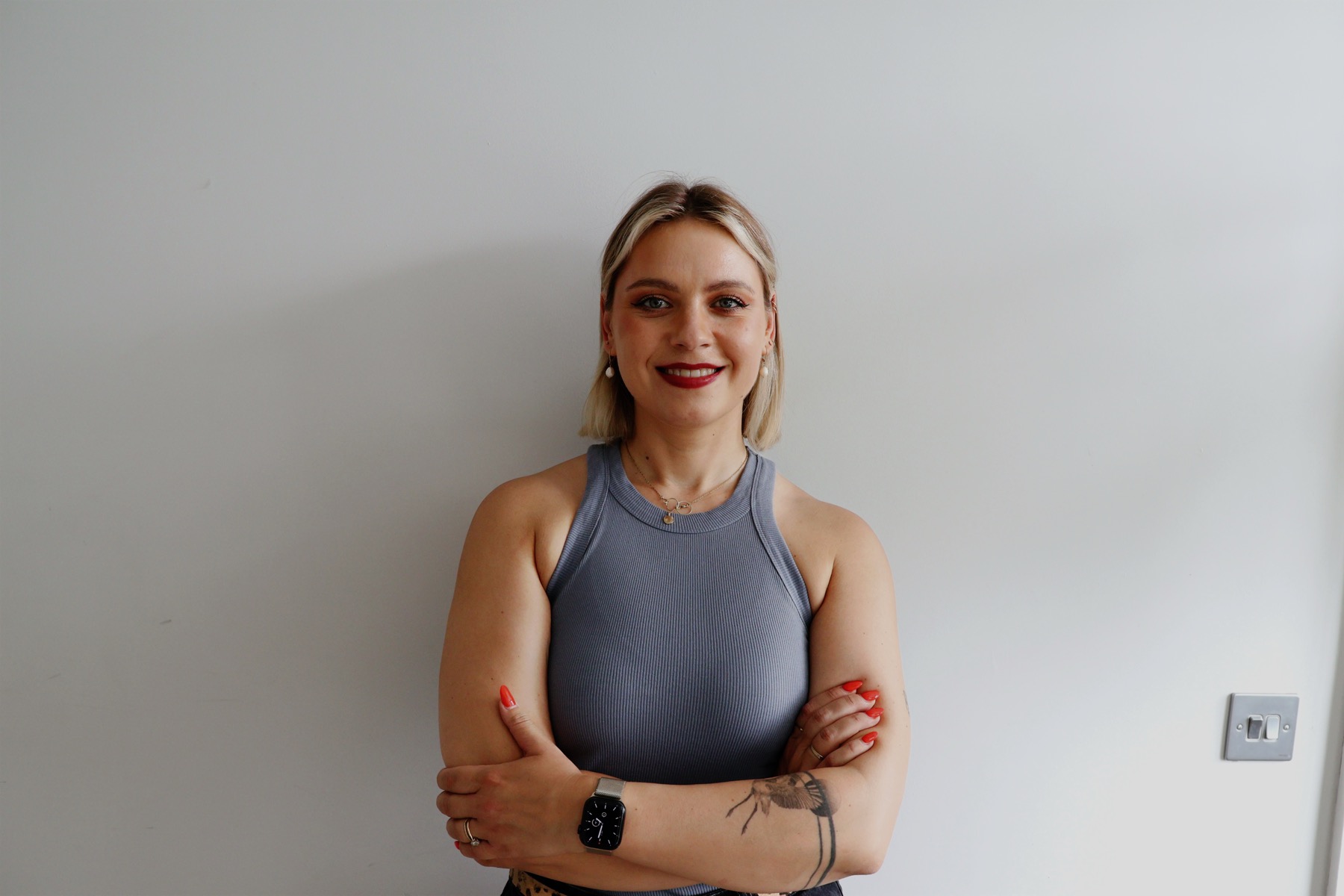
She helped me strengthen my confidence, better understand my values, and develop a leadership style that feels true to who I am.
(03) How I got here
I spent my career in tech as a UX designer, product manager, head of design and startup founder. I've been an IC, a manager and a people leader.
And I've watched the same thing happen again and again. A business promotes its best IC to lead people: new title, pay rise, "good luck." Nobody explains what good leadership looks like.
Leading people came naturally to me, and I still hit moments no training had prepared me for. Rude pushback. Someone not meeting expectations. Pressure from above.
When new leaders don't get support, hard conversations get avoided and the bar slips. Decisions climb to senior leaders, strong people disengage and problems surface late.
So I built the programme I wish existed. Leaders work on real situations from their own team, personalised to their role.
If you're promoting people into leadership, let's talk.
Thanks to Egle, I overcame analysis paralysis and made swift, meaningful progress. Even during challenging transitions, like moving from San Francisco back to Ireland in a challenging job market, Egle's insights have been invaluable.
It's very empowering to have her not only analyse my plans and aspirations in detail, but provide clear, actionable feedback that helps me move forward with confidence.
Her coaching-style is very action based and pragmatic. With each session you feel like progress is being made towards any goal you can set your mind to.
It was honest. It was deep. And it was exactly what I needed to move forward with greater momentum in both life and career.
Help leaders make expectations, responsibilities and decision boundaries explicit, so their teams take ownership and decisions move faster.
Equip leaders to give feedback, address underperformance early and follow through, so standards translate into day-to-day team performance.
Build leaders’ ability to resolve issues within their remit and raise risks early with recommendations, so senior leaders face fewer late surprises and unnecessary escalations.
Egle Venclovas has a wonderful way of asking the right questions, challenging you when needed, and creating a space where you can be completely open and honest.
(04) What leaders work on
Align the leader and their manager on responsibilities, decision authority and expectations.
Understand your habits and impact, reset peer relationships and establish appropriate authority.
Make good performance, behaviour, ownership and decision boundaries explicit with your team.
Give feedback, address underperformance and prepare for difficult conversations with clear follow-through.
Raise risks early, bring recommendations and keep senior stakeholders informed of progress, wins and misses.
Use one-to-ones, team meetings and clear operating rhythms to help people feel heard and take ownership.
Review what's changed, catch slipping standards early and keep the team on track without a coach.
(05) How we work
Each module takes on a challenge every people leader hits: stepping into the role, setting expectations, holding the standard, influencing upward, building team ownership and making it stick.
Sessions mix short, practical teaching with discussion and rehearsal. Leaders bring a real situation, discuss with the group, and practise what they'll actually say.
E.g. someone on your team is missing the mark and you've been putting off the conversation. In Hold the standard, you plan it, practise it, and leave knowing what you'll say and what happens next.
After each module, leaders complete a piece of structured written work. The first is about themselves: the values they lead by, the strengths that got them promoted, and the habits that could get in the way when they're under pressure. Later work turns to the team: expectations, decision ownership, a difficult conversation.
There are no ideal answers. Leaders write about real moments from their own work, not what a good manager is supposed to say. They bring it to their coaching session, so the conversation starts from something specific.
E.g. after the first module, each leader names a strength that helped them succeed as an individual contributor and writes about a recent moment where it didn't work with their team.
Each leader has six individual sessions with me. They bring their homework and whatever is hardest right now, and we start from there.
I'll question the assumptions and habits behind how they're leading, say what I see, and help them work out what to do about it. Then we rehearse the conversations and decisions they need to own, so they're not trying them for the first time with their team.
Every session ends with one practical next step to take before we meet again.
E.g. a leader brings the feedback conversation they've prepared. We look at what's making it hard to start, practise the opening, and rehearse how they'll handle pushback.
Between sessions, leaders take the next step they agreed in coaching. They have the conversation, clarify an expectation or make the decision they’ve been putting off.
They bring what happened back to the next module or coaching session: what they tried, how people responded and what still needs work. We use that to decide what comes next.
E.g. a leader has the feedback conversation they rehearsed, agrees what needs to change and follows up. In their next session, we look at how it went and what they need to do next.
(06) Before we talk
Fast-growing companies where people are moving into management quickly. First-time managers, ICs about to step up, and experienced managers who want to lead better.
Yes. The programme is tailored to their experience and the leadership challenges they’re facing now.
Nine hours of module sessions and six 1:1 coaching sessions per leader, plus alignment, reviews and applying the learning at work.
Both module sessions and 1:1 coaching can take place online or in person.
Always. The programme is tailored to your organisation and each leader’s role, team and development needs. Modules can also vary accordingly.
The leader's manager is involved from the start. Before the programme begins, they join a 45-minute alignment session to agree responsibilities, decision authority and expectations. As sponsor, they then review progress with me three times, against goals set at the start, at 60, 120 and 180 days (30, 60 and 90 in the intensive). That's about three hours of their time in total.
What's said in 1:1 sessions stays between the leader and me. The company sees progress against agreed goals, not what we discussed. I only share more if the leader agrees, the law requires it, or there's a serious and immediate risk of harm. Where possible, I'll talk to them first.
We agree what progress looks like at the start, then the sponsor and I review it three times. We look for visible changes in how the leader leads and how the team works, not whether they finished the programme.
Dublin · Ireland · Worldwide
Let’s talk about what would help them move forward.